THE FIELD GUIDE · TOPPS NOW + PANINI INSTANT
The moment happened.
Then came the card.
On-demand cards turn a live sporting moment into an official collectible within days. This is the fast, visual guide to reading one properly.
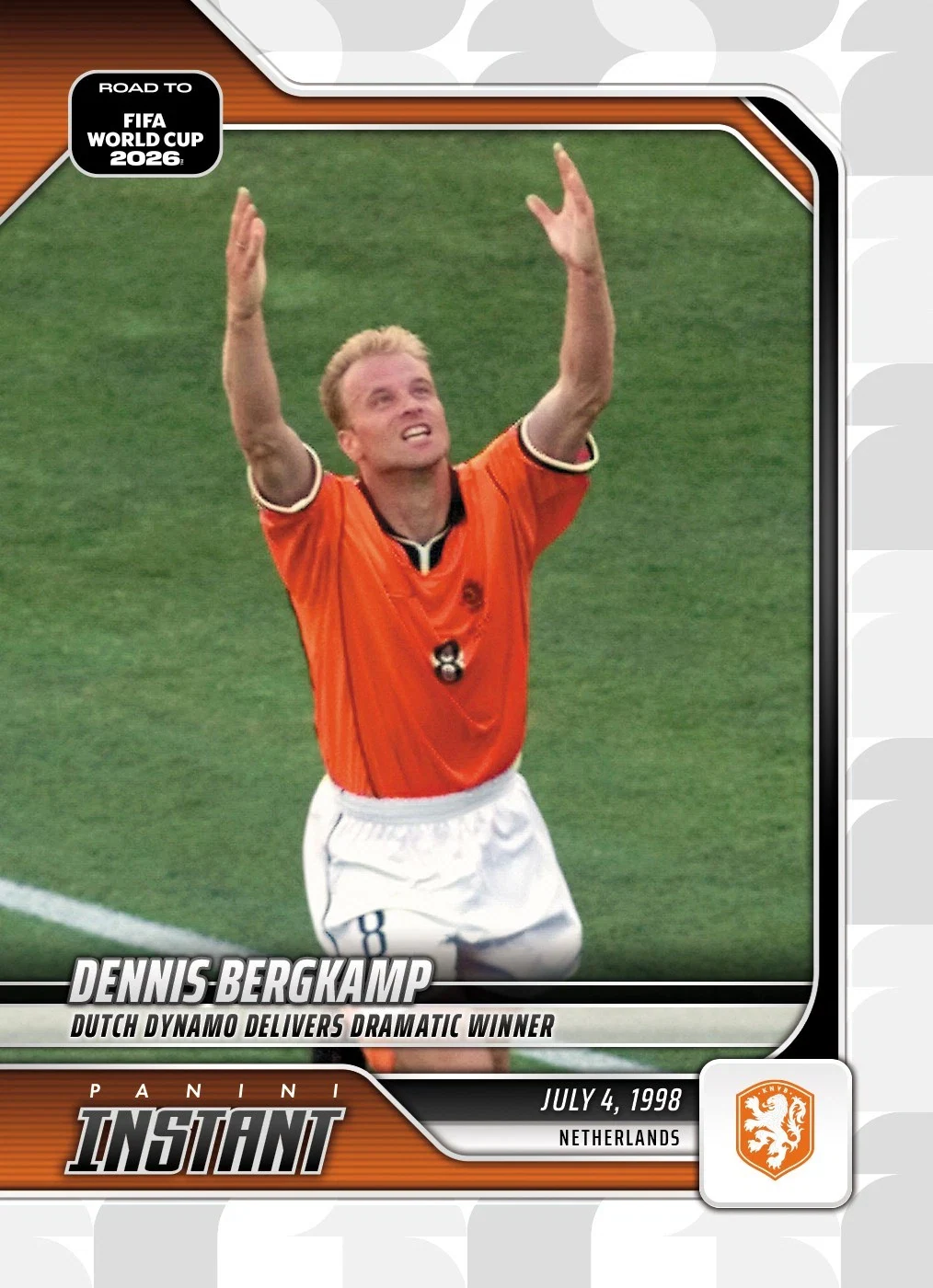 PR 203Dennis Bergkamp · #RTWC5
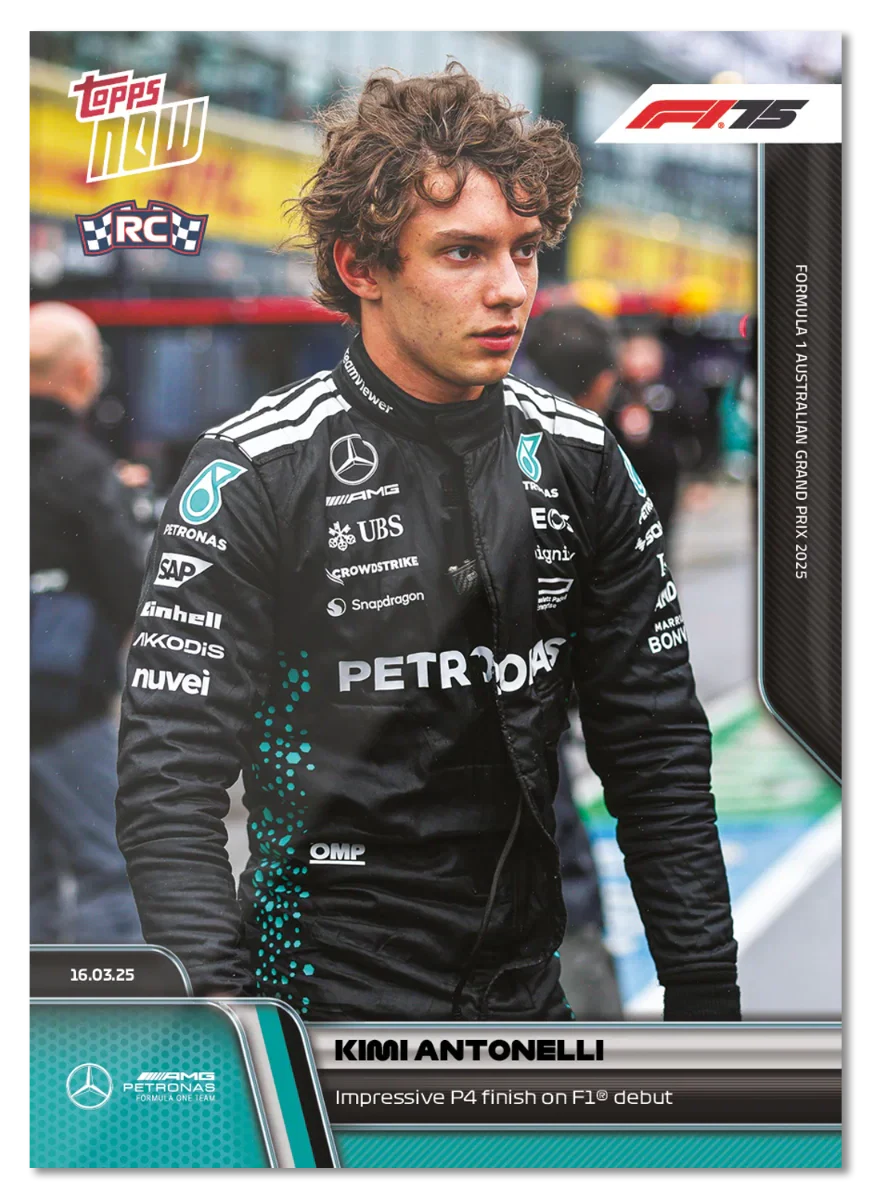 PR 7,291Kimi Antonelli · #14
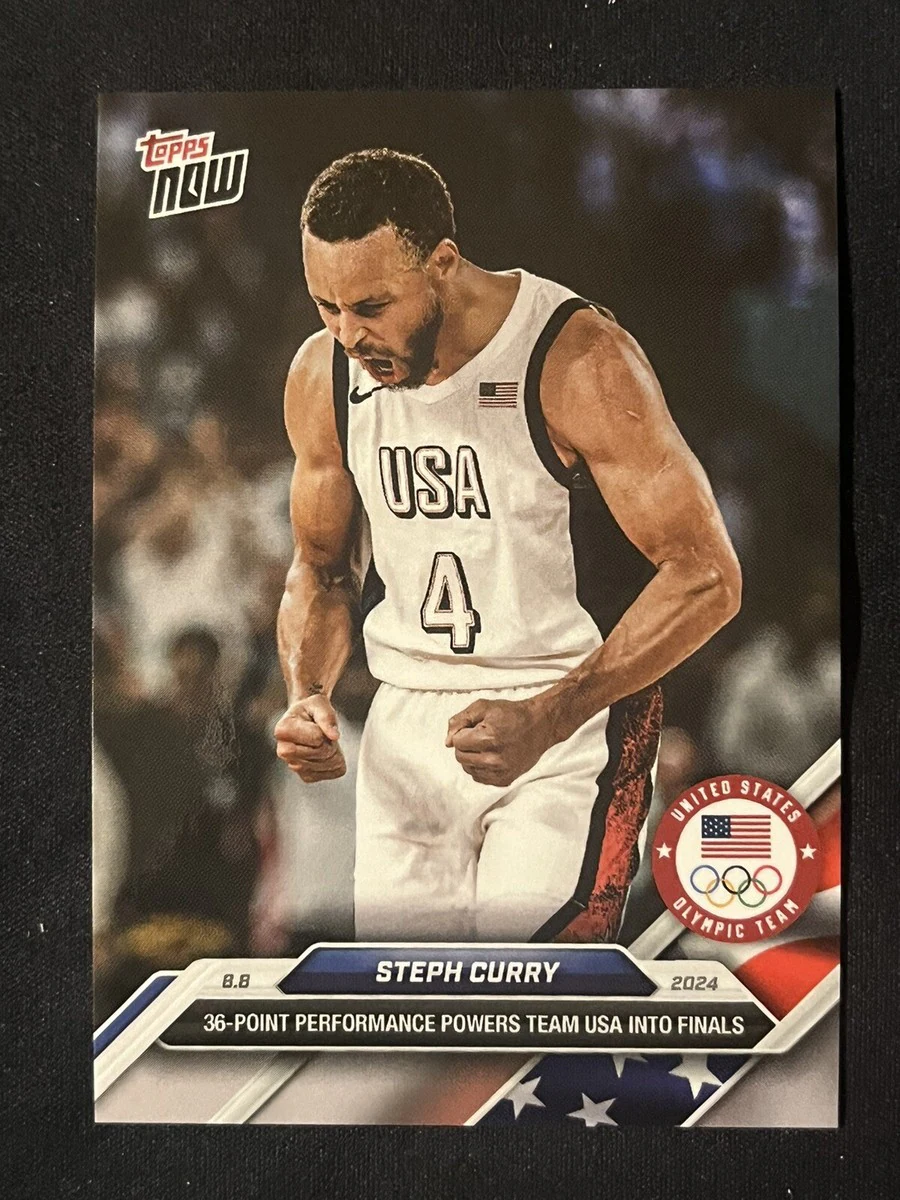 PR 88,735Stephen Curry · #22
REAL CARD · REAL PRINT RUN
01 / THE MODEL
One moment. Four steps.
- 01
THE MOMENT
A debut, record, title or image enters the sporting conversation.
- 02
THE WINDOW
Topps or Panini opens a short, direct-to-collector order period.
- 03
THE PRINT
Orders close and the base edition is produced. Parallels stay separate.
- 04
THE MARKET
The card enters resale. Completed sales matter; active asks do not prove value.
02 / READ THE CARD
Start with the card.
Not the hype.
Every useful decision begins with four facts. If one is missing, the conclusion should stay open.
- 01
THE MOMENT
Bergkamp’s three-touch goal against Argentina in the 1998 World Cup quarterfinal.
- 02
THE IDENTITY
2026 Panini Instant · Road to FIFA World Cup · RTWC5 · raw base.
- 03
THE SUPPLY
203 base copies. Confirmed by the publisher, not inferred from the sale clock.
- 04
THE MARKET
Exact completed sales establish demand. Listings only show what sellers are asking.
03 / FOUR CARDS, FOUR LESSONS
Scarcity is only one part of the story.
These cards show why no single number can tell you what matters.
Dennis Bergkamp
A famous moment and a tiny run. Scarcity helps, but buyers still have to care.
- PROGRAM
- Panini Instant Road to FIFA World Cup
- PRINT RUN
- 203
Kimi Antonelli
A first Formula 1 start, an RC mark and a measured base run. Career trajectory changes the context.
- PROGRAM
- Formula 1 Topps NOW
- PRINT RUN
- 7,291
Stephen Curry
A huge Olympic performance with a huge print run. Importance and rarity are different questions.
- PROGRAM
- Olympic Games Topps NOW
- PRINT RUN
- 88,735
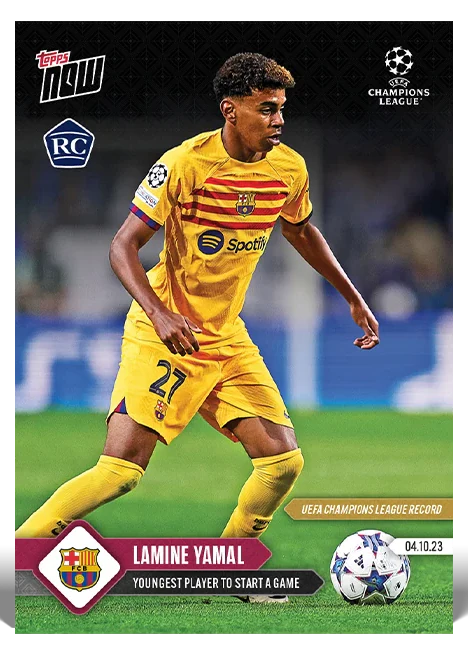
Lamine Yamal
A teenage Champions League record, an RC mark and a clear identity. Milestone and timing work together.
- PROGRAM
- UEFA Champions League Topps NOW
- PRINT RUN
- 5,926
04 / TOPPS NOW VS PANINI INSTANT
Same idea. Different records.
Both publishers work quickly. Their archives and product details do not always work the same way.
TOPPS NOW
- Fixed release window
- Final base print runs commonly published in NOW archives
- Exact releases may include parallels, variations, autographs or relics
PANINI INSTANT
- Print-to-order releases tied to current athletes and events
- Product pages establish card number, image, price and variants
- Final supply visibility varies by program; missing stays missing on ICX
Shared rule: a short order window is not proof of rarity.
05 / FILTER THE NOISE
There are a lot of cards.
We look for the few that matter.
Most releases are routine. The interesting group is where the sporting story, athlete, exact supply, photograph and real market demand meet.
HOW THE ICX MOMENT SCORE WORKS →- 01
MOMENT
Would fans remember this without the card?
- 02
ATHLETE
Is the subject collected beyond one hot week?
- 03
IDENTITY
Is this the card that best captures the event?
- 04
SUPPLY
Is the final print run or serial number confirmed?
- 05
MARKET
Are there repeat, exact completed sales?
06 / QUICK ANSWERS
Open only what you need.
The essentials stay visible. The detail is here when a question comes up.
01What is an on-demand sports card?
+
An on-demand sports card is released shortly after a specific sporting event and sold directly for a limited order window. The base edition is usually printed after the window closes, so demand during that window helps determine final supply.
02What is Topps NOW?
+
Topps NOW is Topps’ print-to-order program for recent sporting and cultural moments. Topps launched the MLB program in 2016, sells each release for a fixed period and publishes final base-card print runs in its archives.
03What is Panini Instant?
+
Panini Instant is Panini America’s print-to-order program for timely cards across licensed sports and events. Individual product pages establish the exact card number, image, price, sale window and available variants; final supply visibility can vary by program.
04Are Topps NOW and Panini Instant cards rare?
+
Not automatically. A short sale window limits when a card can be ordered, but the base print run can still be large. Scarcity should be measured from the final base print run or the serial number of an exact parallel, not from the countdown alone.
05Are on-demand cards good investments?
+
Some can become important collectibles, but the format alone does not make a card a good investment. The strongest cases combine a durable sporting moment, a globally collected athlete, exact-card scarcity, repeat completed sales and enough liquidity to exit. Active asking prices are not proof of value.
06Where can I find Topps NOW and Panini Instant card data?
+
Use the Instant Card Index database to search by athlete, moment or card number. Each card file shows the exact image, publisher source, print run, Moment Score and available price evidence.
NOW USE THE GUIDE
Find the card
you remember.
PRIMARY SOURCES