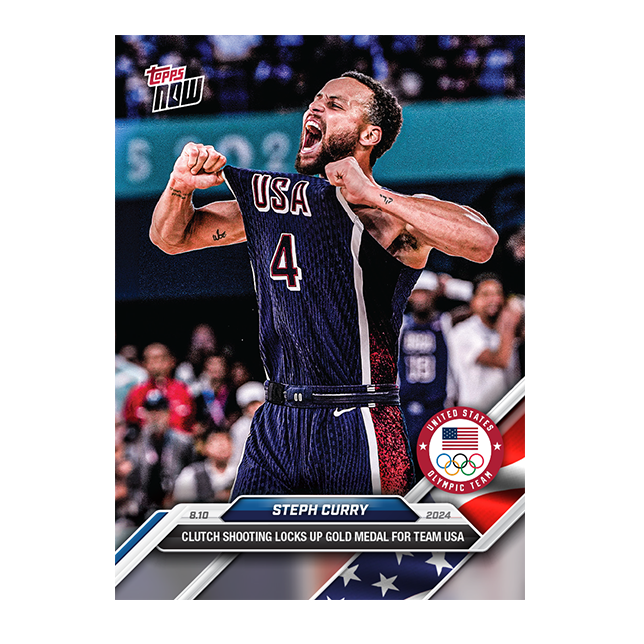
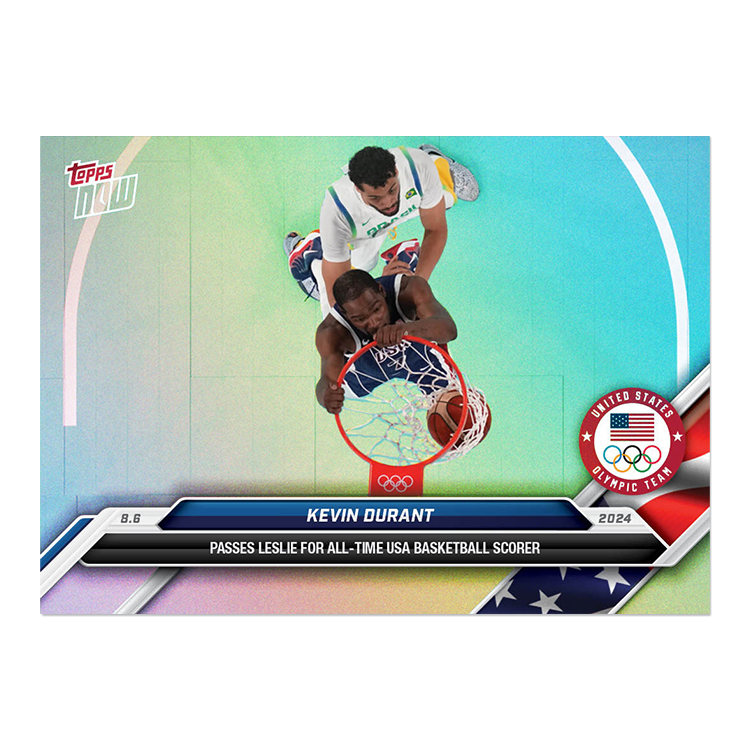
Curry owns the image. Durant owns the scarcity data.
A Topps NOW image variation is a distinct version of the same numbered card that uses an alternate photograph or design. It is not the base card, and it is not automatically the same object as a numbered foil or autograph. The exact front image belongs in the identity.
Curry #27SP leads because it improves an already definitive card: the alternate celebration still belongs to his first Olympic gold and the Night Night market has repeat demand. Durant #20SP is the data leader. Topps explicitly limited it to 489 copies, the only unnumbered image variation in this ten-card group with a publisher-confirmed population.
For the other nine, ‘SP’ is a product description, not a usable print run. Their base print runs provide context for demand but cannot be substituted for the population of the alternate image.
Best complete card · Curry #27SP. Best verified scarcity · Durant #20SP, population 489.
The ICX top ten
These ranges preserve the ICX v2.2 score printed when this study was published. Current card records use v3.0 and add card role explicitly; open a card page for its live score history.
- 1 · Stephen Curry #27SP · ICX 65–100 · All-time athlete, all-time Olympic ending; exact SP population remains undisclosed.
- 2 · Kevin Durant #20SP · ICX 71–86 · All-time athlete, USA Olympic scoring record and the only confirmed SP population: 489.
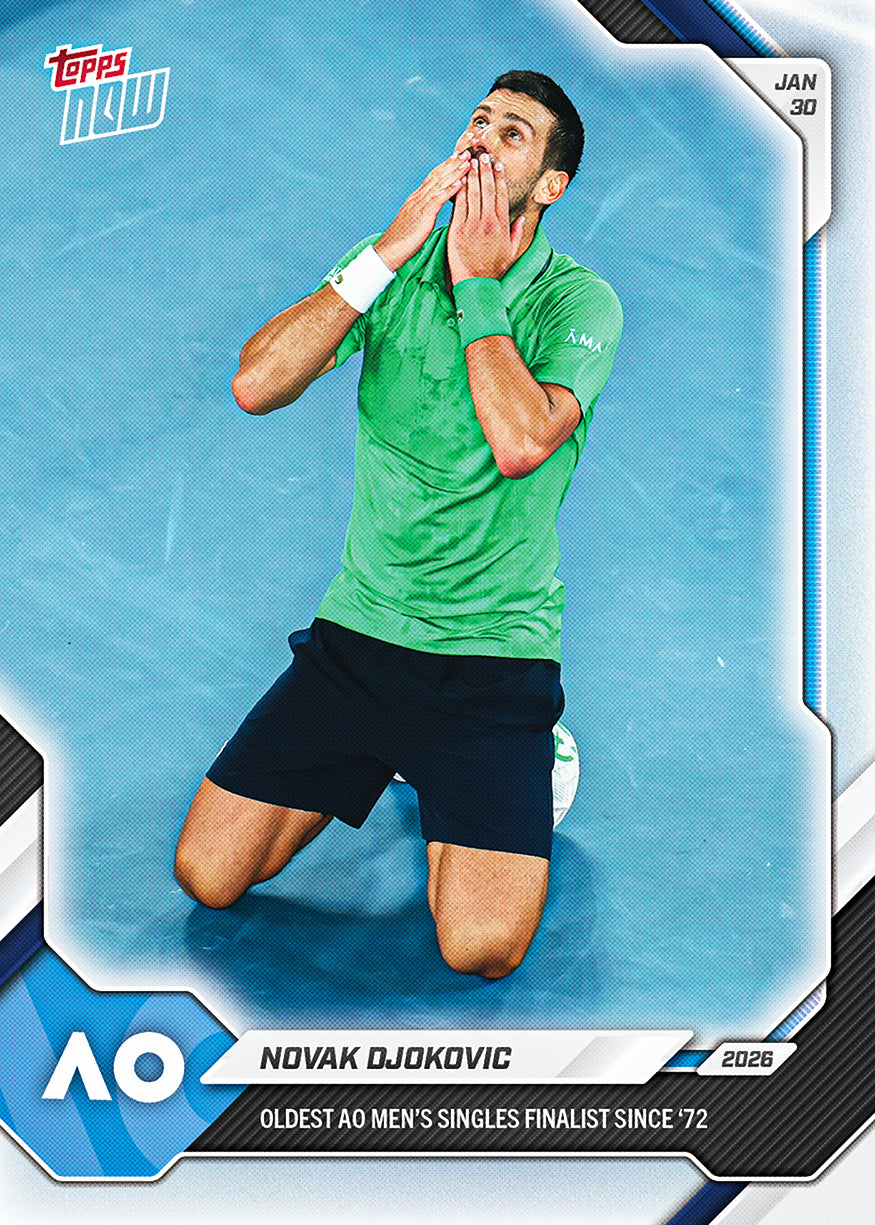
- 3 · Novak Djokovic #9SP · ICX 57–92 · The oldest Australian Open men’s finalist since 1972, with a photograph that reads as a career salute.
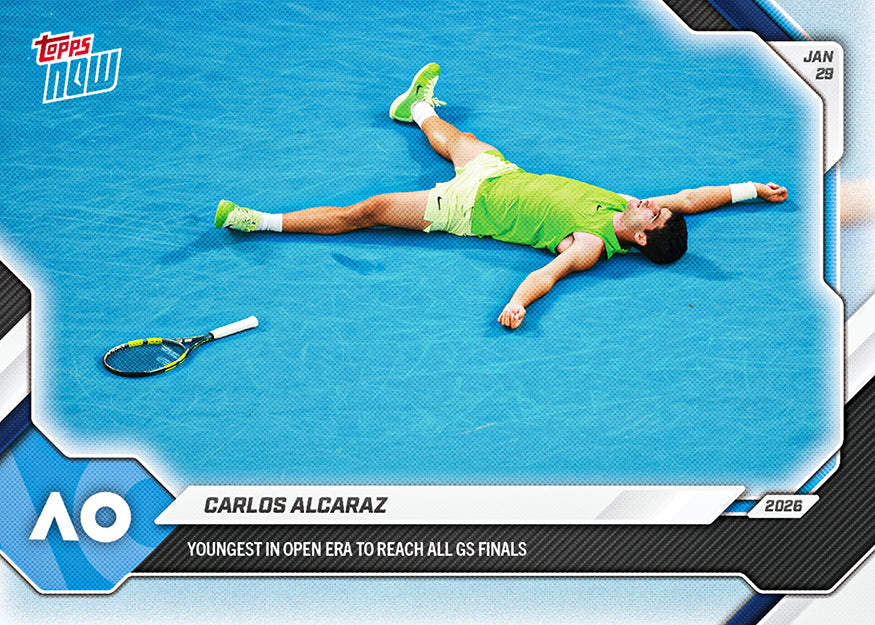
- 4 · Carlos Alcaraz #8SP · ICX 57–92 · Youngest Open Era man to reach all four major finals; the court-level image adds emotion the base cannot.
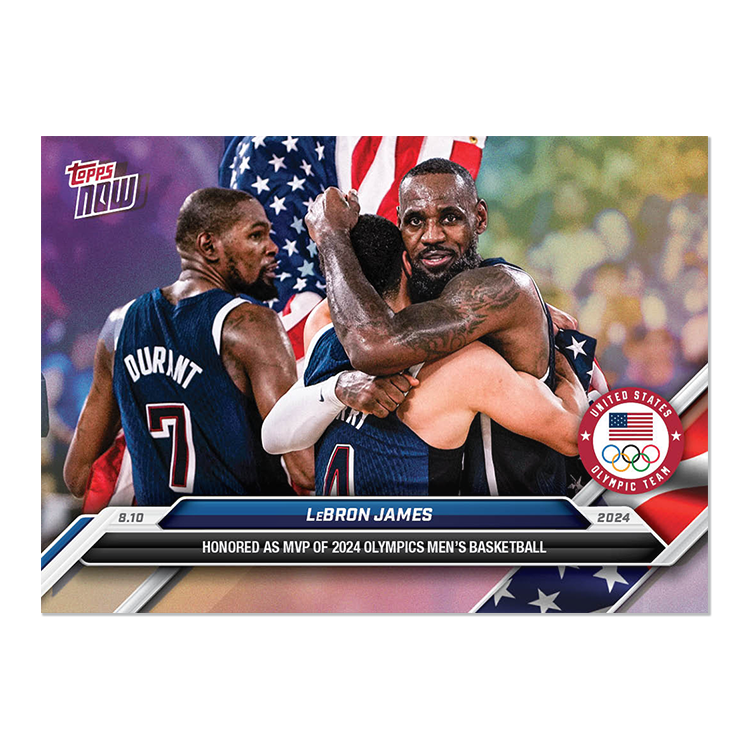
- 5 · LeBron James #30SP · ICX 57–92 · Olympic MVP and gold, with Curry and Durant entering the alternate-image story.
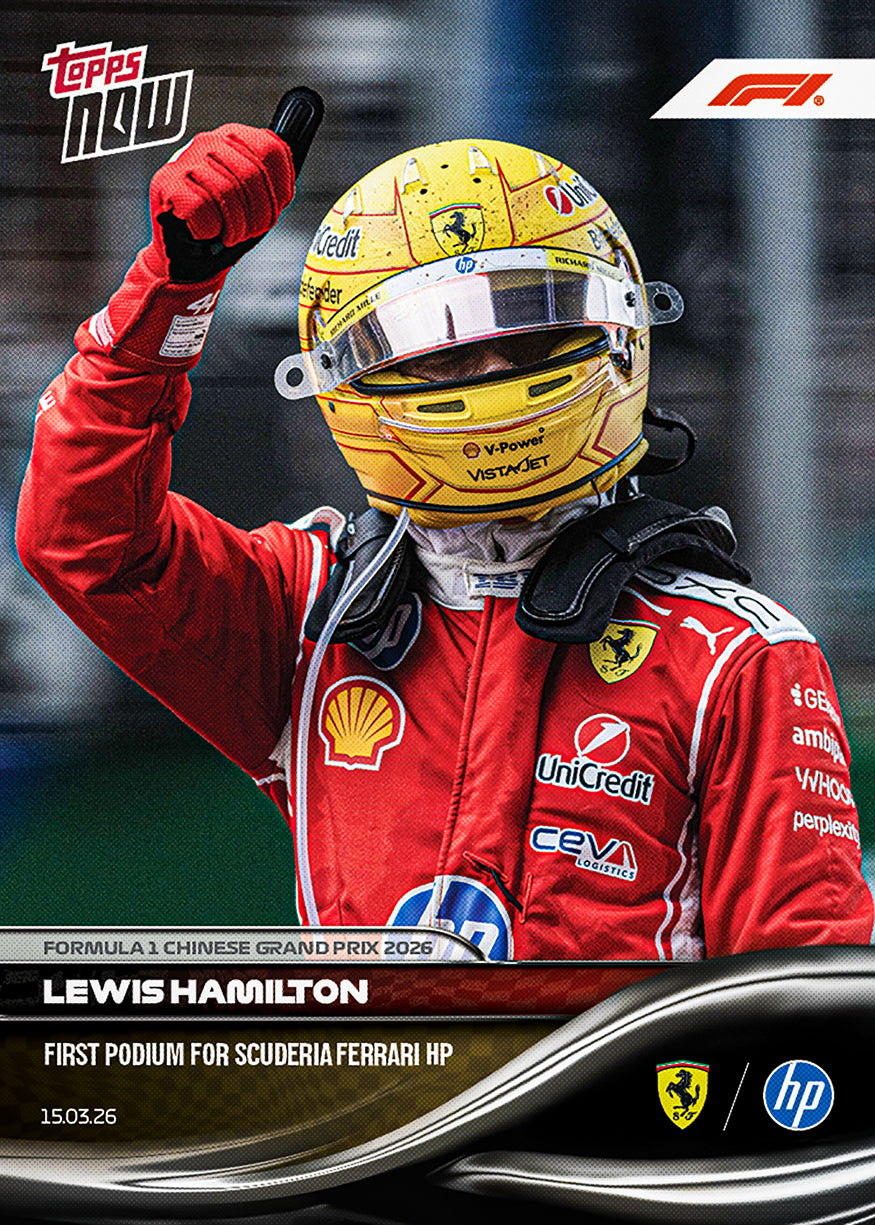
- 6 · Lewis Hamilton #21SP · ICX 49–84 · First Ferrari podium; the SP makes the career transition visually unmistakable.
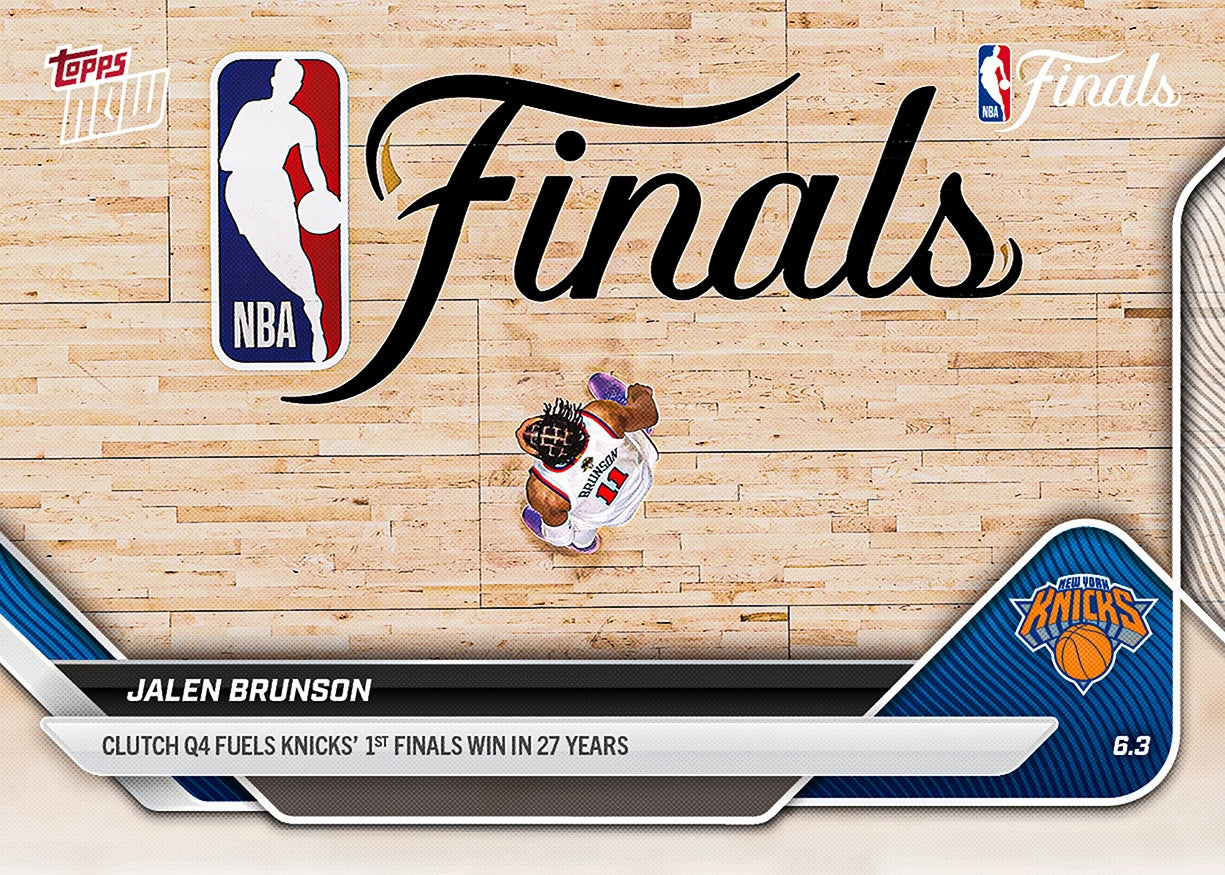
- 7 · Jalen Brunson #326SP · ICX 47–82 · The Knicks’ first Finals win in 27 years, captured with a stronger overhead composition.
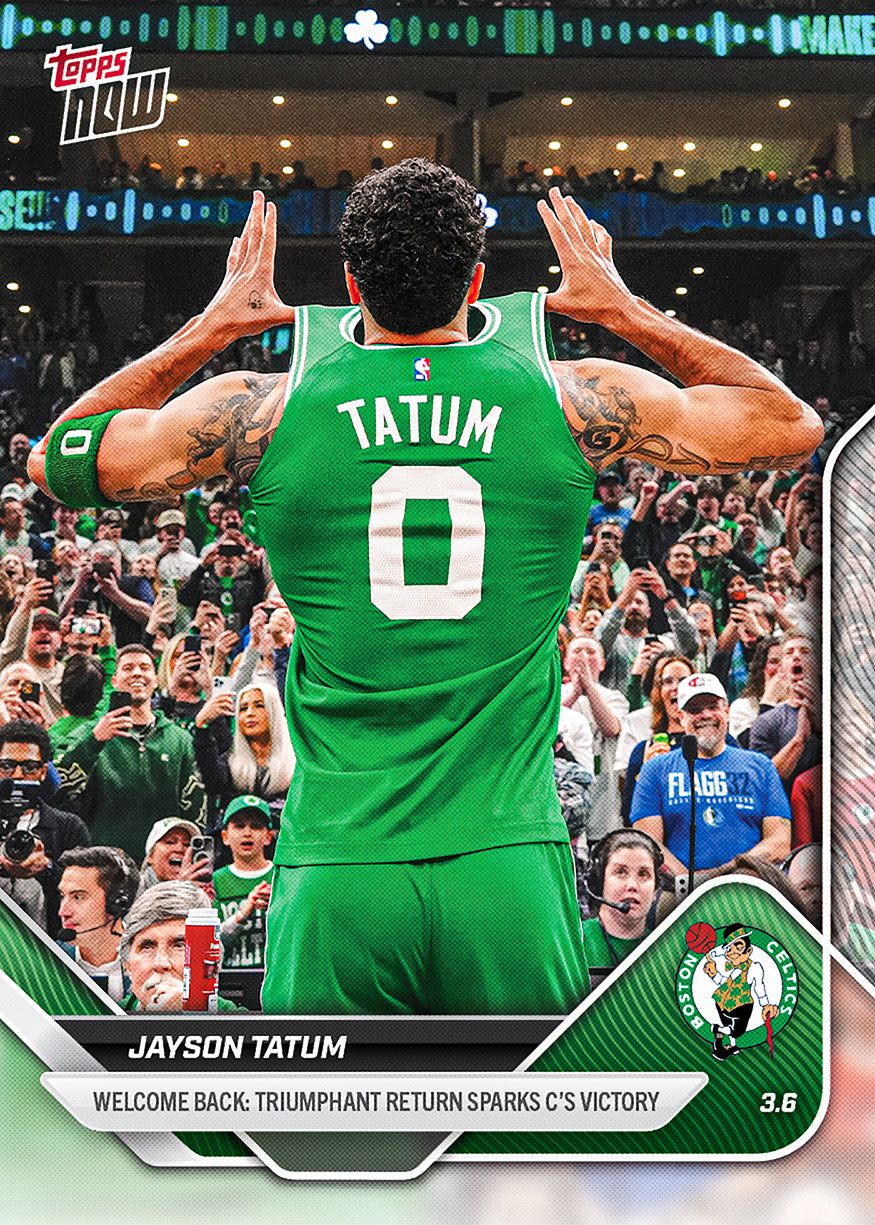
- 8 · Jayson Tatum #197SP · ICX 44–79 · A triumphant return from injury; the back-facing photograph turns the comeback into a reveal.
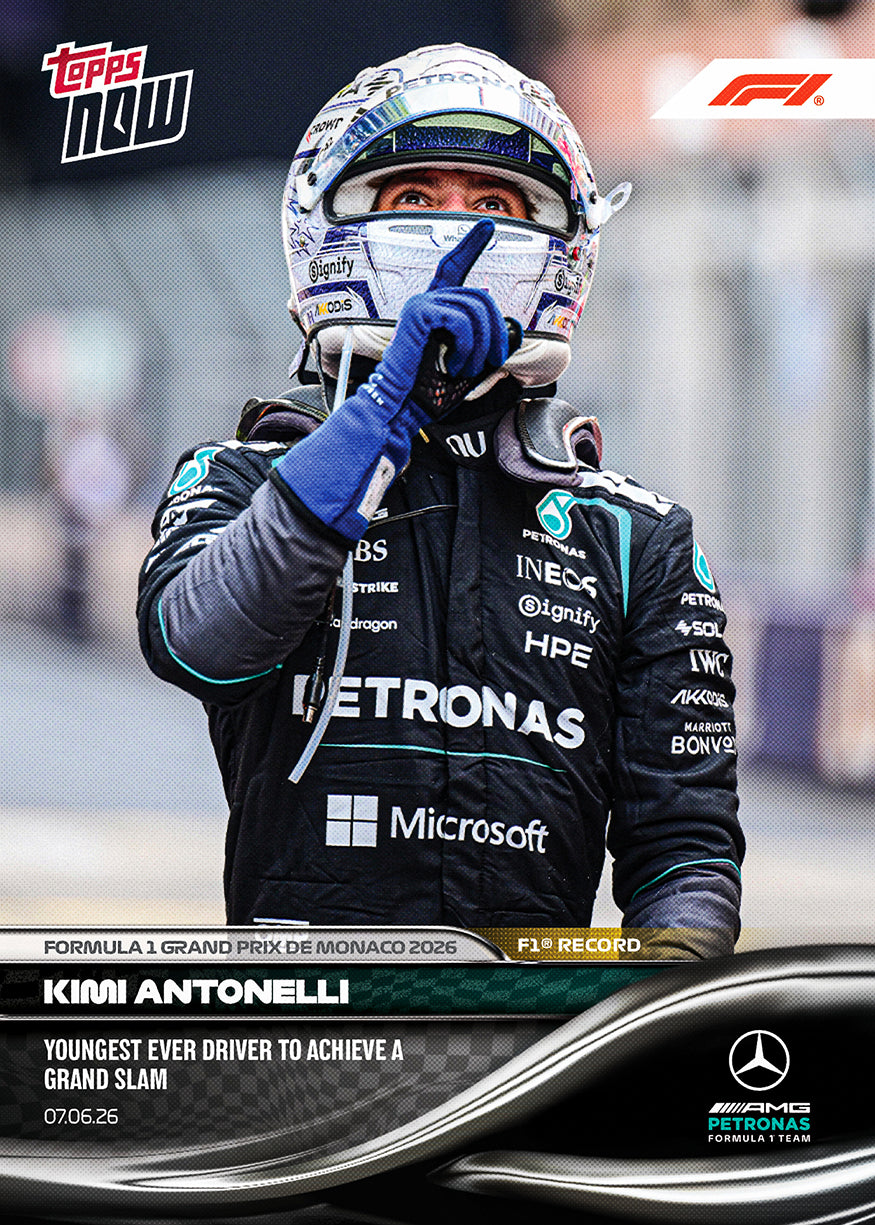
- 9 · Kimi Antonelli #33SP · ICX 42–77 · Youngest Formula 1 Grand Slam; elite moment, developing athlete tier and unknown SP supply.
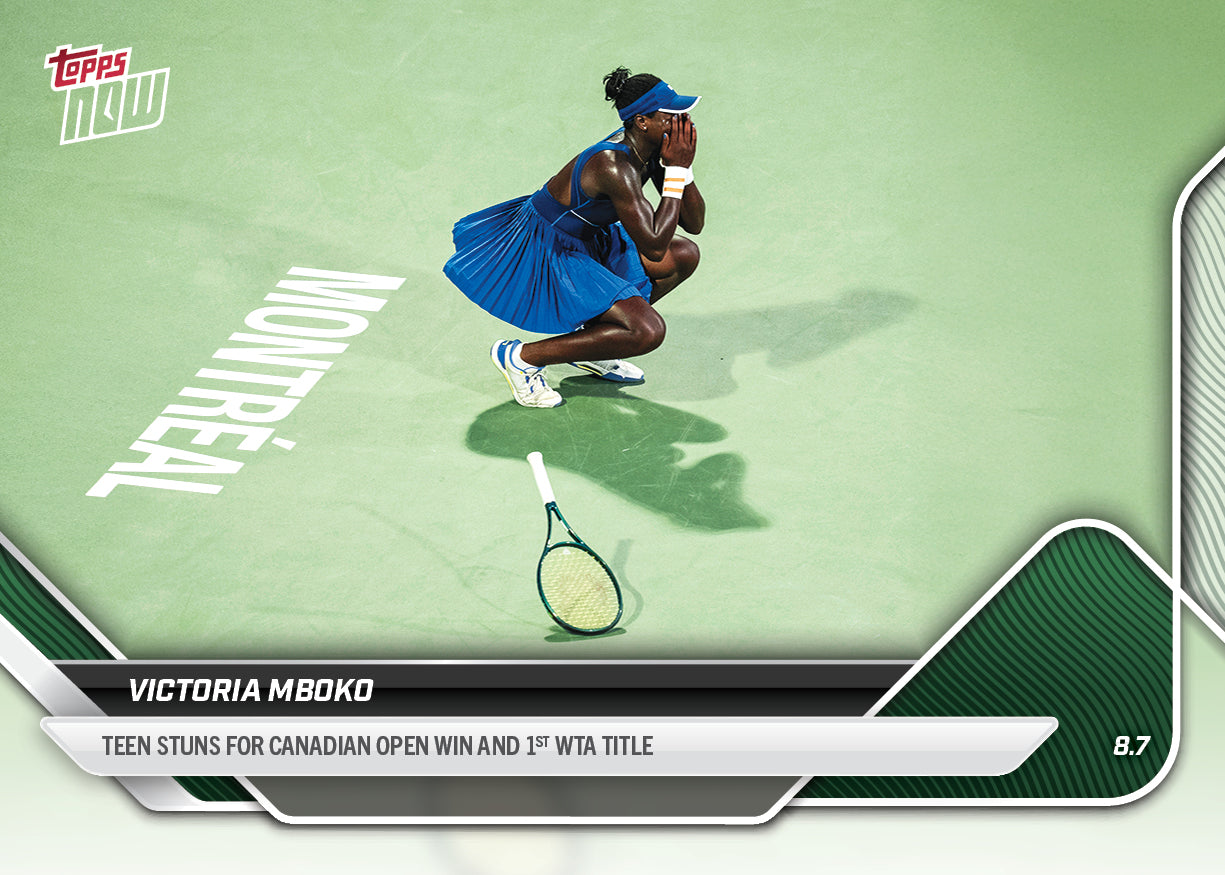
- 10 · Victoria Mboko COVM SP · ICX 42–77 · Canadian Open title and first WTA trophy as a teenager; the 1,671 base run is not the SP population.
Why Durant has the tightest range
Durant’s athlete input is 100 and the scoring-record moment is 80. With N = 489, the ICX scarcity formula, S = 100 − 18 × log10(N / 10), produces a rounded scarcity score of 70. Those known components contribute 71 points. Liquidity remains open from 0 to 100, adding at most 15 points, so the provisional range is 71–86.
For Curry, Djokovic, Alcaraz, LeBron and the other cards, the exact variation population is not published. When both scarcity and normalized liquidity are unresolved, 35 points remain open. That makes the range wider by design. It is a measure of evidence confidence, not a prediction that every unknown card will land at the top of its range.
Unknown is not zero. Unknown is also not rare. The range shows exactly how much of the score still depends on evidence that has not arrived.
Four checks before buying an image variation
First, match the photograph, not only the athlete and card number. Second, separate the unnumbered image variation from rainbow foils, serial-numbered parallels and autographs. Third, use completed sales of the exact same front and format; active asks only show available supply. Fourth, require a publisher, grading-population report or inspectable serial number before repeating a quantity claim.
The best variations do more than manufacture scarcity. They improve the story. Curry’s celebration, Djokovic’s salute and Brunson’s overhead Finals image each make the moment easier to recognize. That visual advantage can support demand, but only completed exact-card transactions can prove it.
Evidence cut · 10 August 2026. Rankings are collecting research, not price targets or investment advice.
Sources and card records
Publisher pages and inspectable card records establish the cards and print runs; official sports bodies establish the results. The ranking and interpretation are ours.