
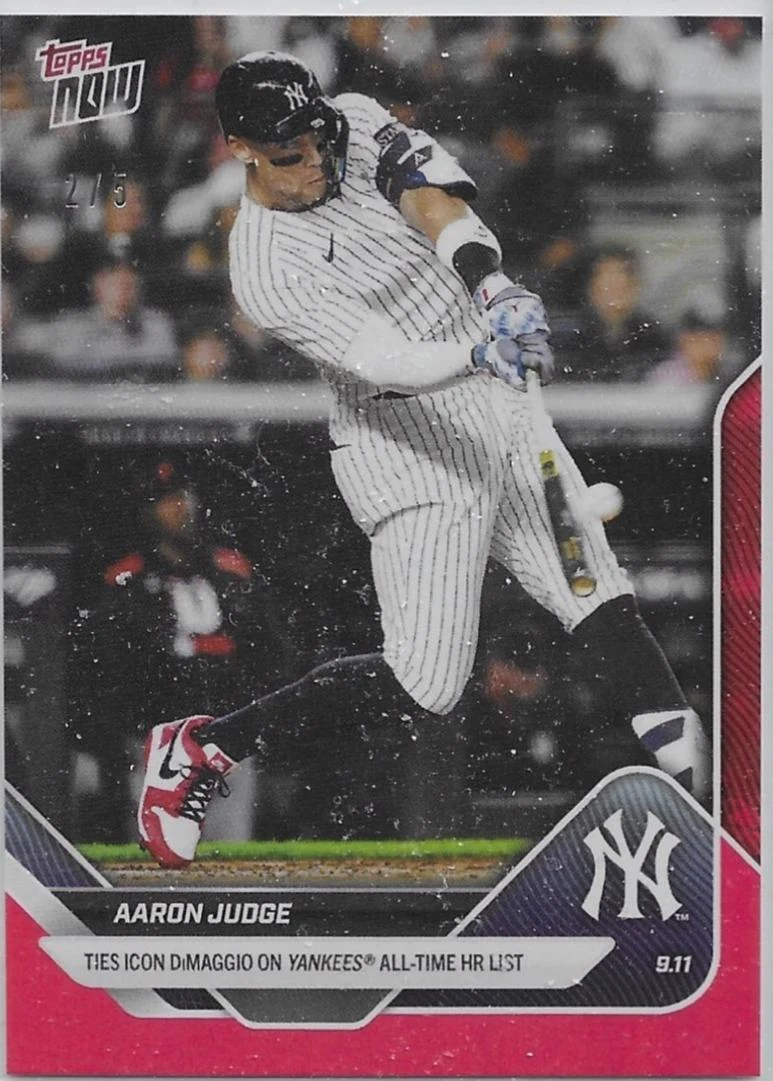
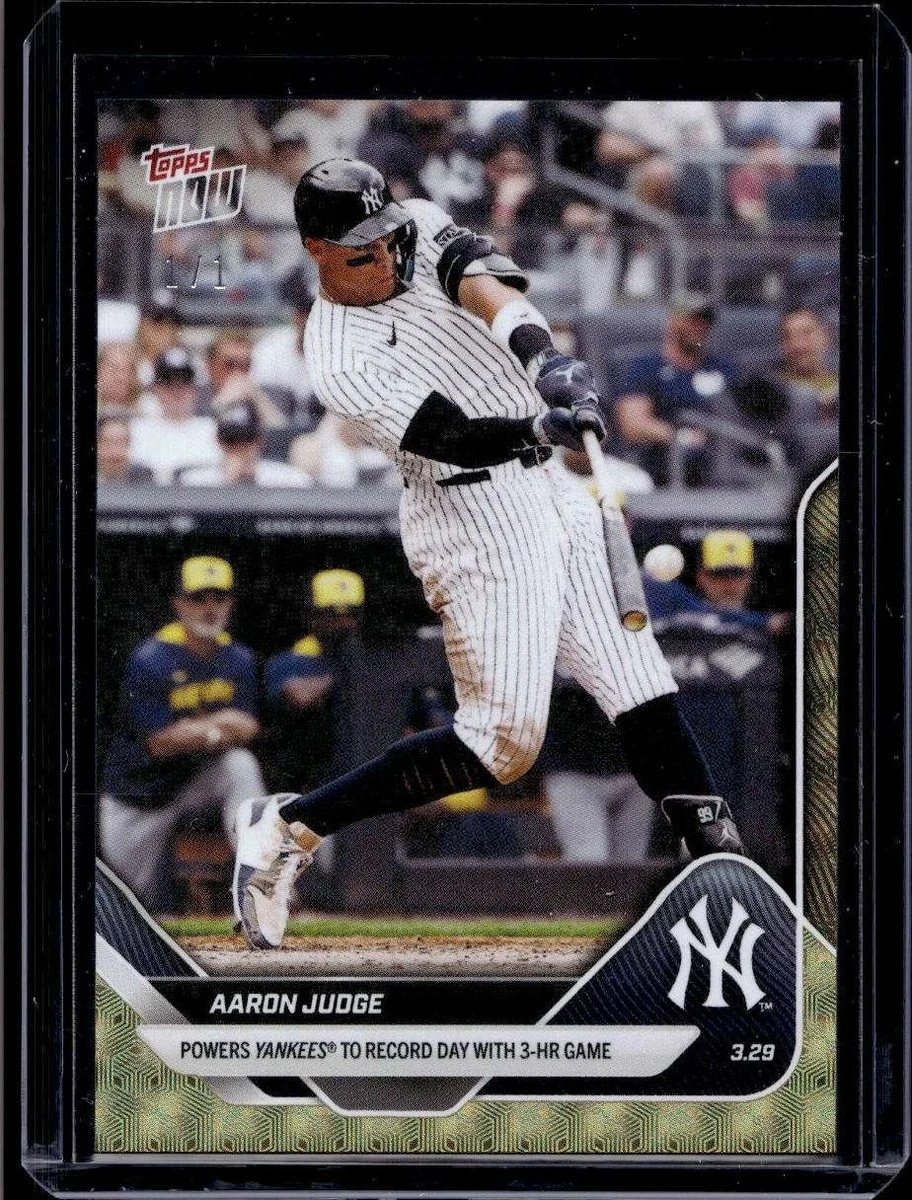
REAL-CARD CASEBOOK
The serial number is never the whole identity.
These public sales show why “Topps NOW 1/1” is not a usable comp by itself. Autograph, subject, image, grade and moment all travel with the number.
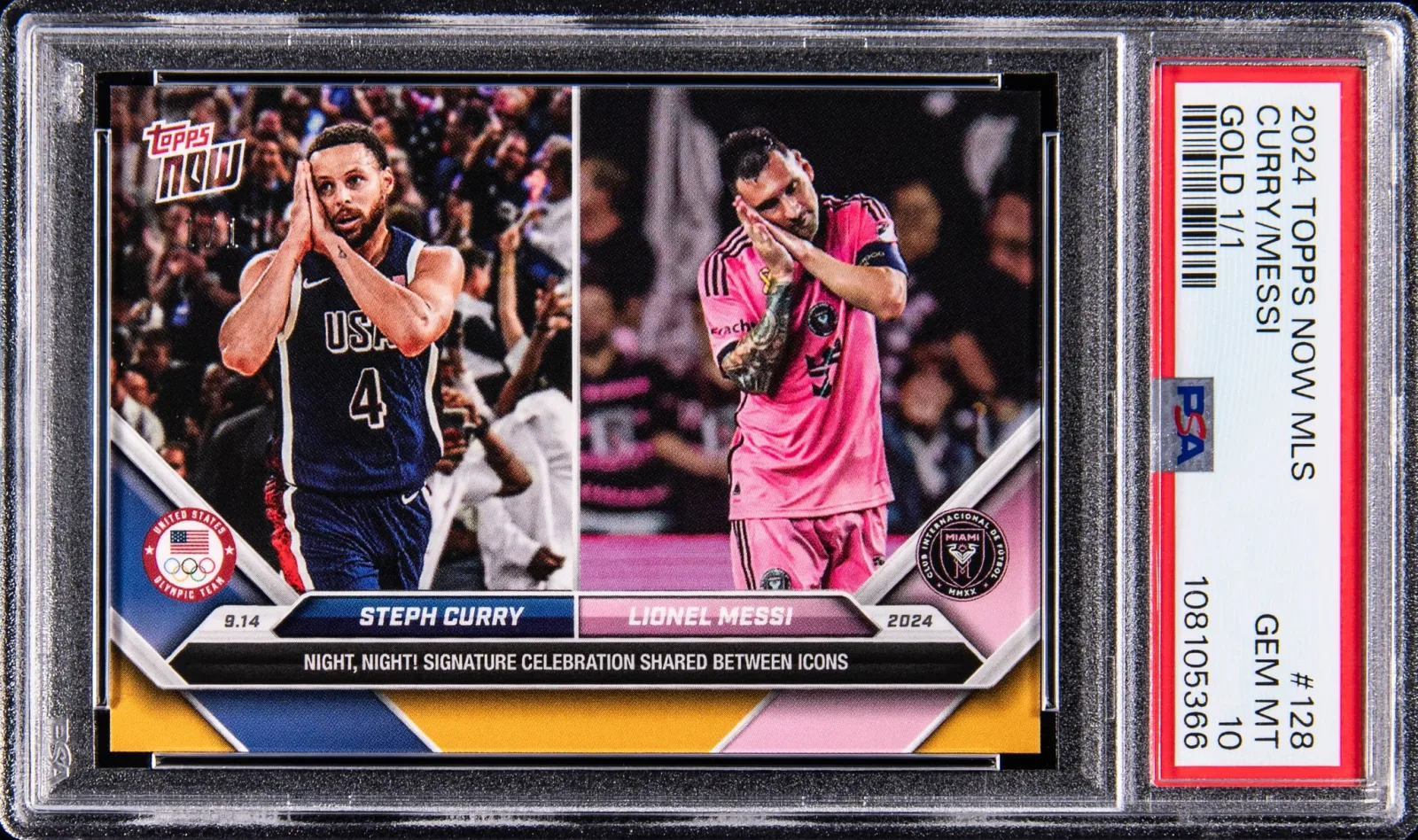
Stephen Curry / Lionel Messi
2024-25 Topps NOW MLS Gold #128 · unsigned
$111,0577 Jun 2026 · Goldin · PSA 10Inspect sale evidence ↗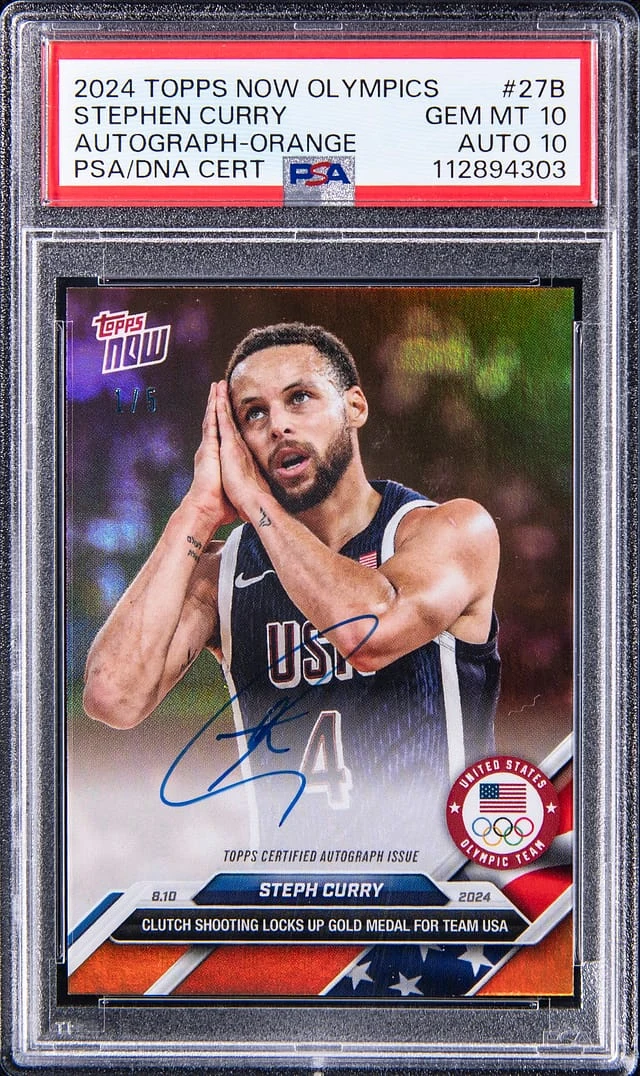
Stephen Curry
2024 Topps NOW Olympic Games Autographs Orange #27B
$85,4009 Aug 2025 · Goldin · PSA 10 · Auto 10Inspect sale evidence ↗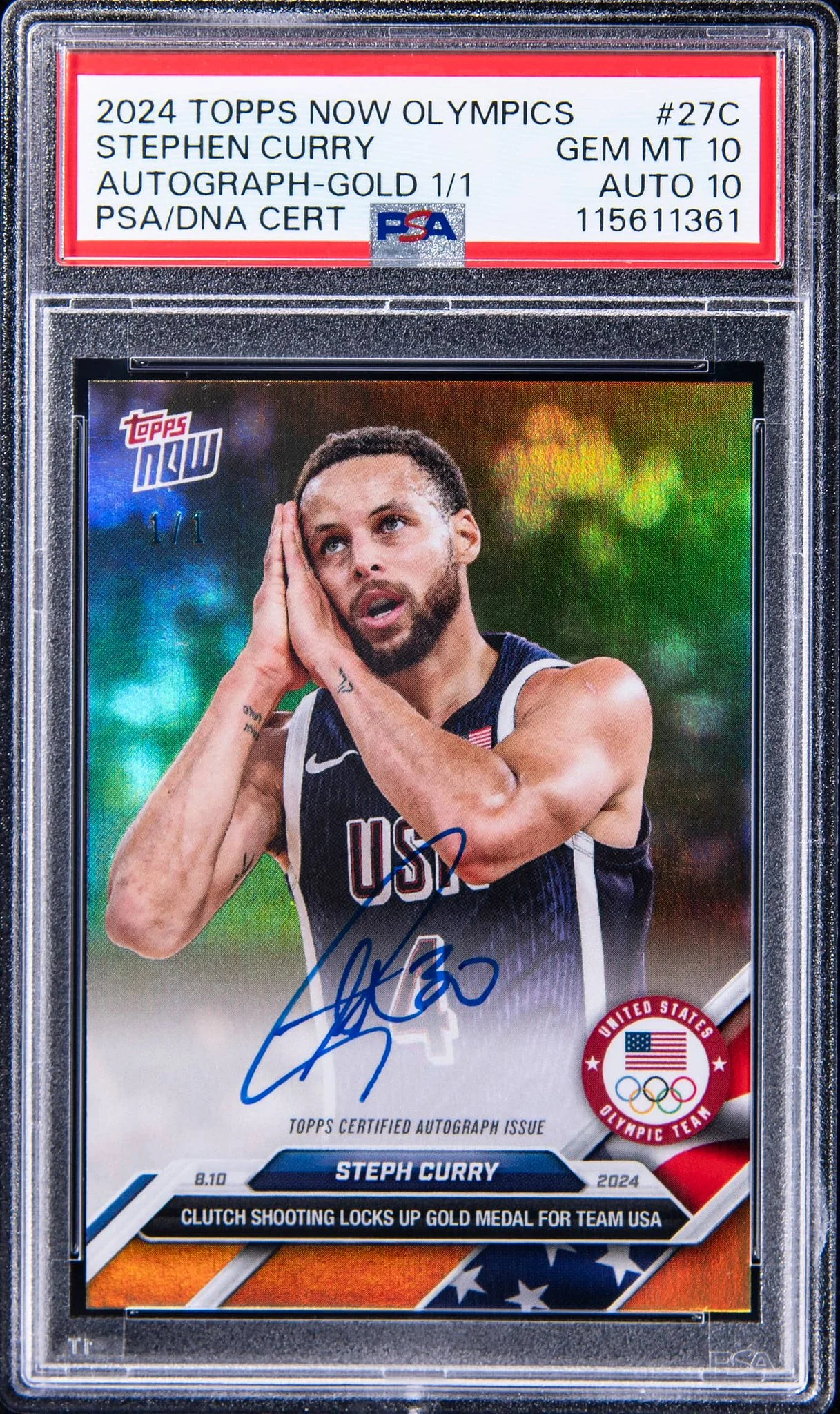
Stephen Curry
2024 Topps NOW Olympic Games Autographs Gold #27C
$518,50014 Jun 2025 · Goldin · PSA 10 · Auto 10Inspect sale evidence ↗Open the product page before the package
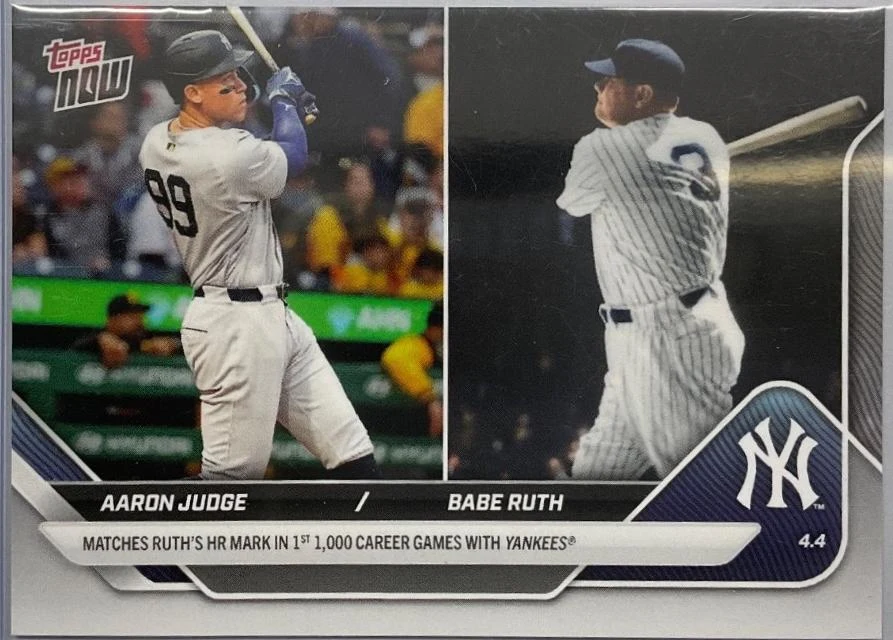
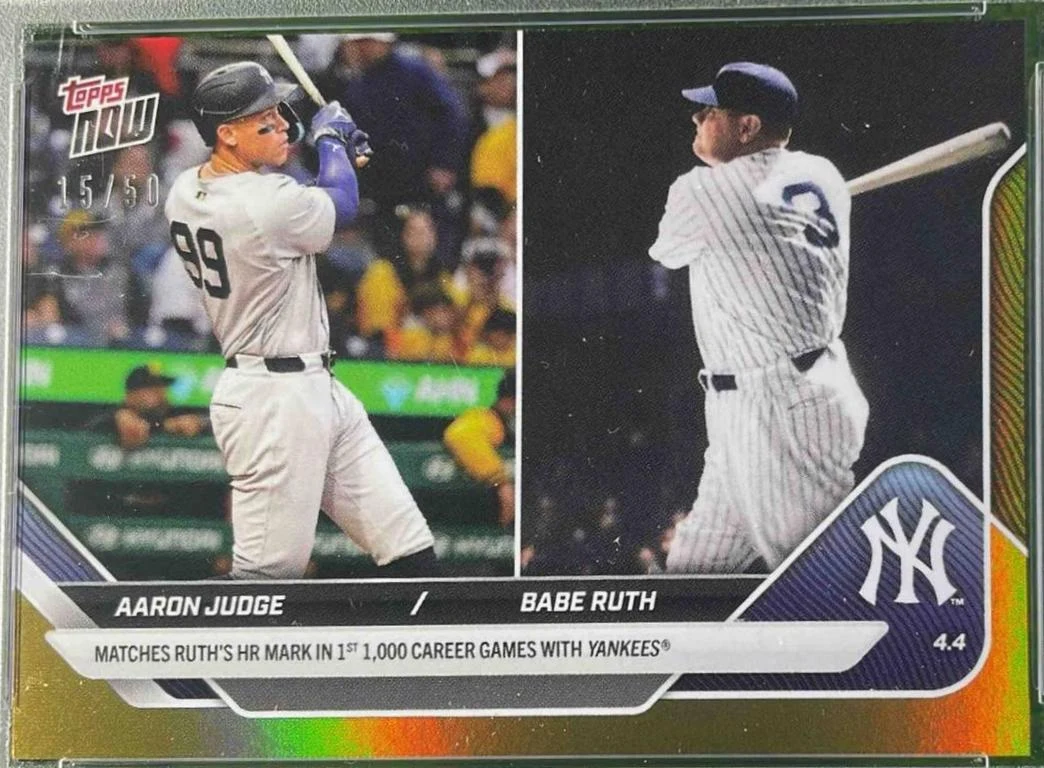
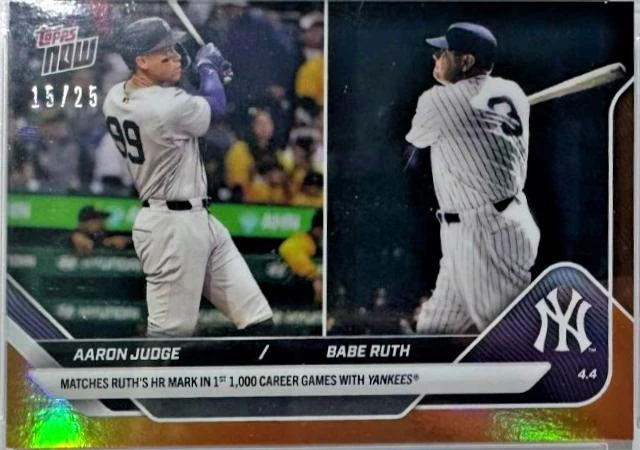
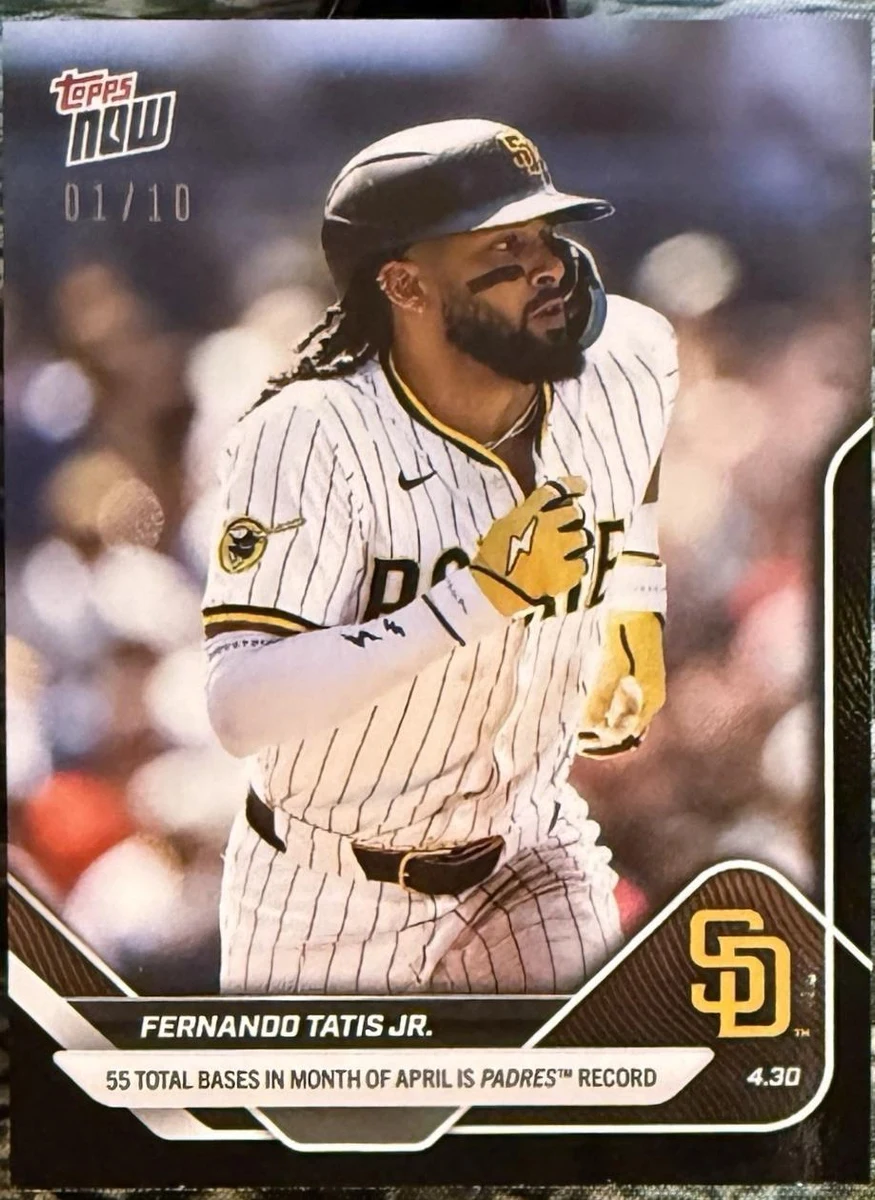
For current Topps NOW releases, the familiar foil run is Gold /50, Orange /25, Black /10, Red /5 and FoilFractor 1/1. They are lucky replacements: one can arrive instead of a base card. The exact product page still wins. Autographs, relics, image variations and sport-specific chases can sit beside the foil ladder or change the configuration entirely.
The odds follow cards ordered, not checkout count. Ten cards in a cart create ten chances; splitting them into ten transactions does not create extra cardboard. The final base print run therefore changes how hard a parallel is to pull, even though /25 always means 25 copies exist.
A parallel can sharpen a card. It cannot invent a reason to own it
The arithmetic is clean; the collecting is not. One copy is scarcer than five, and five is scarcer than ten. But a Red /5 of a forgettable appearance can attract fewer serious buyers than a Gold /50 of a first title or a photograph everybody remembers.
Base is not an insult. It is usually the clearest, cheapest record of the event and the only version with enough supply to build a season, rivalry or career timeline. The Lando Norris #51 shown above is a useful example: the Hungarian Grand Prix win is the story; a foil only changes how many collectors can own that treatment.
Color changes the denominator. It does not rewrite the moment.
/50 can behave like a market. /5 can behave like a conversation
Gold /50 is often the first tier with enough copies to reappear. That matters. A collector may eventually see two or three public transactions and learn something about price. Orange /25 and Black /10 are already thinner; waiting is part of the ownership experience.
At Red /5 and 1/1, price discovery can collapse into a negotiation between one owner and one motivated collector. That is not a flaw if uniqueness is the point. It is a warning against turning one spectacular result into a universal multiplier.
- Base · build the story
- Gold /50 · the best chance of repeat evidence
- Orange /25 and Black /10 · patience becomes part of the deal
- Red /5 · a thin market, even for a famous subject
- FoilFractor 1/1 · a trophy, not a price index
Chrome thresholds prove volume, not base-card scarcity
Some Topps NOW releases unlock Chrome and Opal Chrome chases only after very large order totals. At 50,000 cards, Chrome /99 and /50 enter the published structure; higher totals can add lower-numbered Chrome, Opal Chrome and a White OpalFractor 1/1.
That is evidence of a crowd, not evidence that the base card is rare. The chase can be scarce relative to an enormous base population. Keep those two statements separate.
The five-line buying note
Write down five things before buying: the exact card number; the exact parallel or autograph configuration; why the moment matters; the last exact completed sales; and the landed cost. If one line is blank, the decision is not ready.
A neighboring tier can frame a range, but it cannot quietly become the comp. When exact sales do not exist, WATCH is a complete answer. Thin evidence should make the claim smaller, not the confidence louder.
Sources and card records
Publisher pages and inspectable card records establish the cards and print runs; official sports bodies establish the results. The ranking and interpretation are ours.