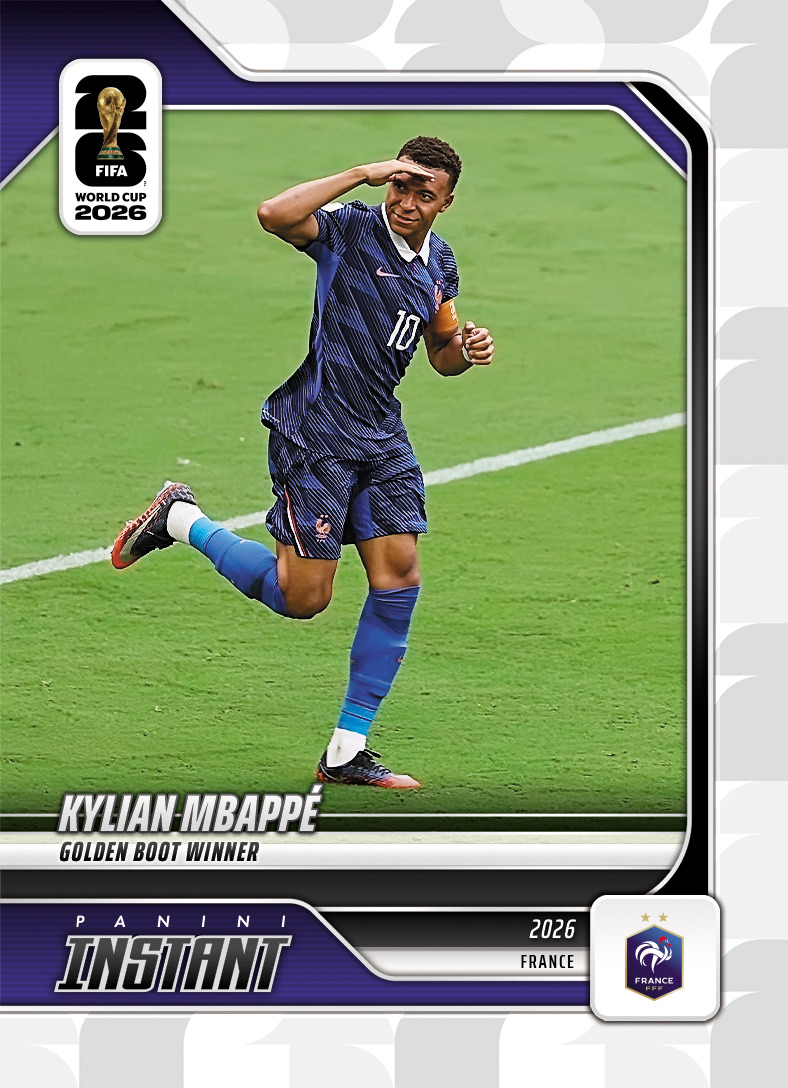
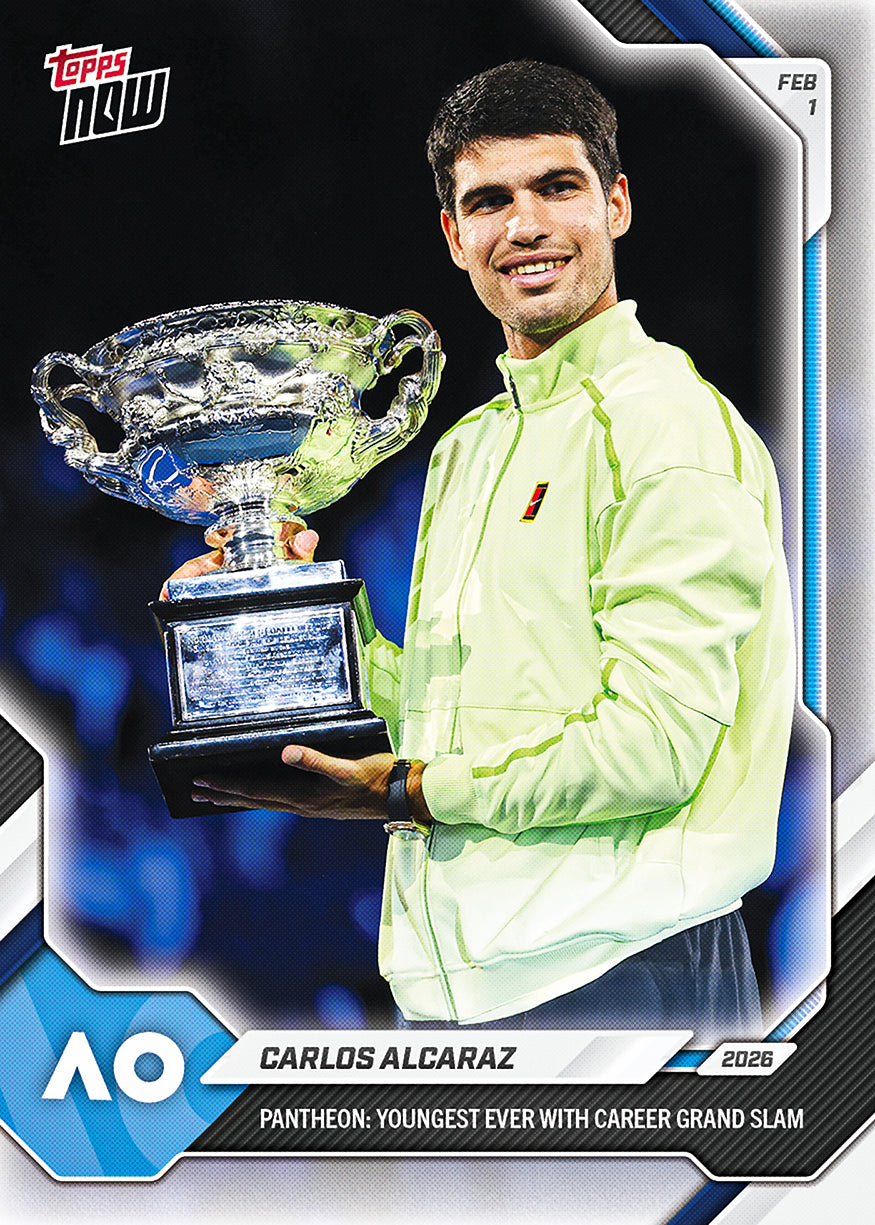
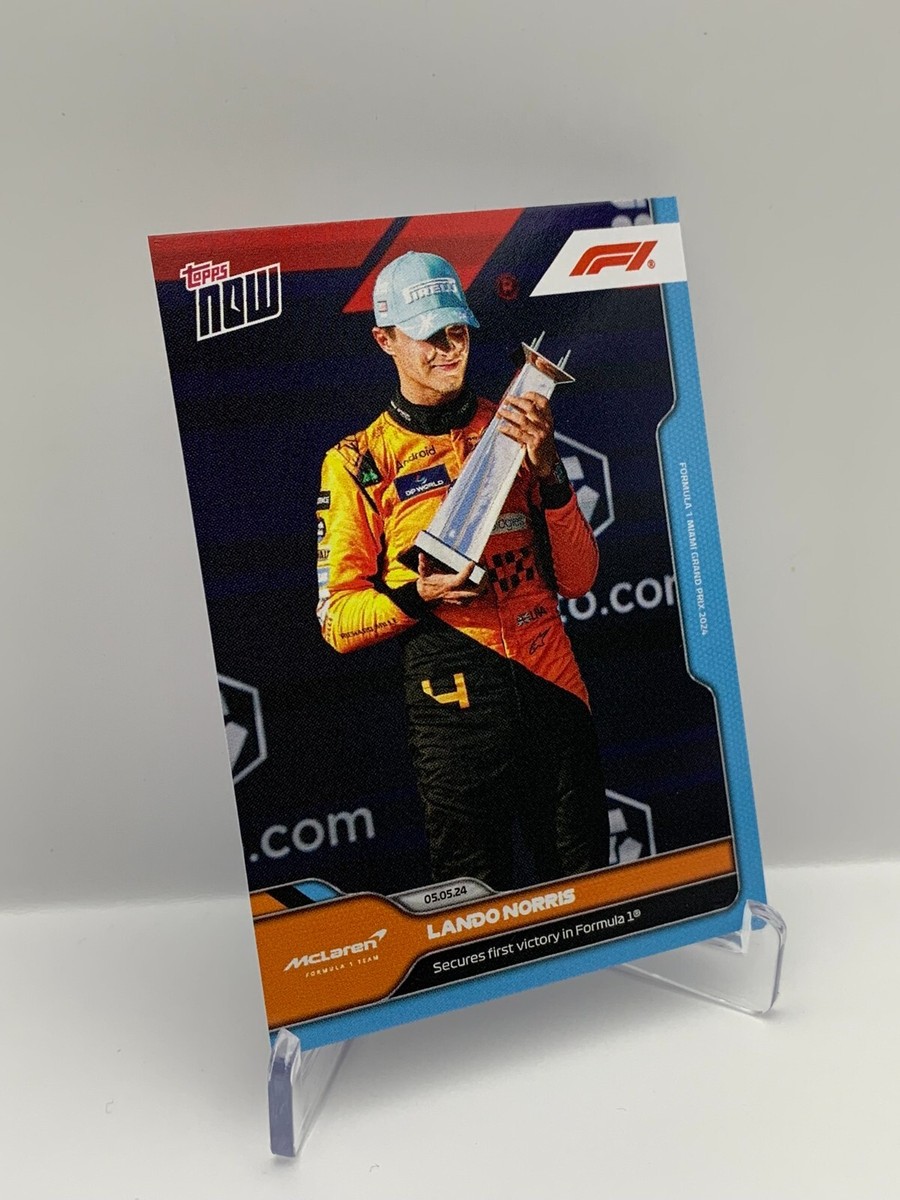

A checklist names a season. An instant card can name the day.
Most sets begin with a roster and arrive after the season has moved on. An instant card begins with the event. Lando Norris wins his first Grand Prix; Carlos Alcaraz completes a career Grand Slam; Messi and Cristiano share a stage. The card exists because that day happened.
That difference is small in manufacturing and large in collecting. A card number, date, photograph and caption can mark one exact chapter. Put enough good chapters together and a collection becomes a sporting biography rather than a pile of appearances.
A good instant card should still make sense after nobody remembers the countdown.
The image has to bring the game back
The best photograph brings the memory back. Curry’s Night Night gesture recalls the last minutes in Paris. Norris #12 returns to Miami and a first Formula 1 win. The Messi–Cristiano #7 card puts two careers in the same frame.
That is why a base card can beat a rarer parallel. A serial number changes supply. It cannot improve a weak photograph or make a routine event important. The question we ask first is simple: is this the card that people will use to remember the moment?
Supply matters once that answer is yes. Messi–Cristiano #7 is stronger because its story is clear and Topps confirmed only 153 copies, not because 153 would make any photograph important.
Why the category still has room to grow
Topps NOW and Panini Instant now cover football, Formula 1, tennis, baseball, basketball and major global tournaments. The same collecting idea can follow an athlete or a sport across a full calendar.
The evidence can also be unusually good. A final print run, exact publisher page and dated card give collectors something concrete to debate. The category is still young enough that its essential cards are not fully agreed. Better archives and cleaner sales records should help the strongest moments separate from the weekly noise.
- One format can follow several sports
- Published print runs make supply measurable
- The accepted canon is still being formed
When the investment case is real and when it is not
A credible investment case needs the same things a credible collection does, an important athlete, a durable moment and a photograph collectors recognize, plus finite supply, repeated buyers and a sensible entry price. A low print run alone is not enough.
The failures are easy to name. A one-day order window can still produce 100,000 copies. A seller’s ask is not a sale. A /5 can be so illiquid that one buyer sets the entire market. Fees, shipping and condition can erase a small paper gain. A record can also be broken or replaced by a better card.
Cards do not produce cash flow, and no return is guaranteed. We would rather own a meaningful base card at a disciplined price than a rare version of a moment nobody will remember.
Meaning first. Evidence second. Price third.
- Short window does not equal low print run
- Active asks measure supply, not executed value
- Meaningful moment and repeat demand come before scarcity
- Condition, fees and liquidity belong in the return math
Sources and card records
Publisher pages and inspectable card records establish the cards and print runs; official sports bodies establish the results. The ranking and interpretation are ours.